Creating a t-shirt design rarely starts with a graphic editor. An idea comes first. Sometimes it is born instantly; sometimes it is formed through design inspiration, observing trends and analysing what people really like. Custom t-shirts can be a way of self-expression, an element of merch, or part of a full-fledged business built on print-on-demand or dropshipping.
But a good result appears only when the shirt design process is fully thought out. From the choice of niche and target audience to technical details like vector graphics, DPI resolution and the correct CMYK printing mode.
Idea Search and Concept Formation
Any t-shirt design starts with an idea. Not from the picture. From an idea.
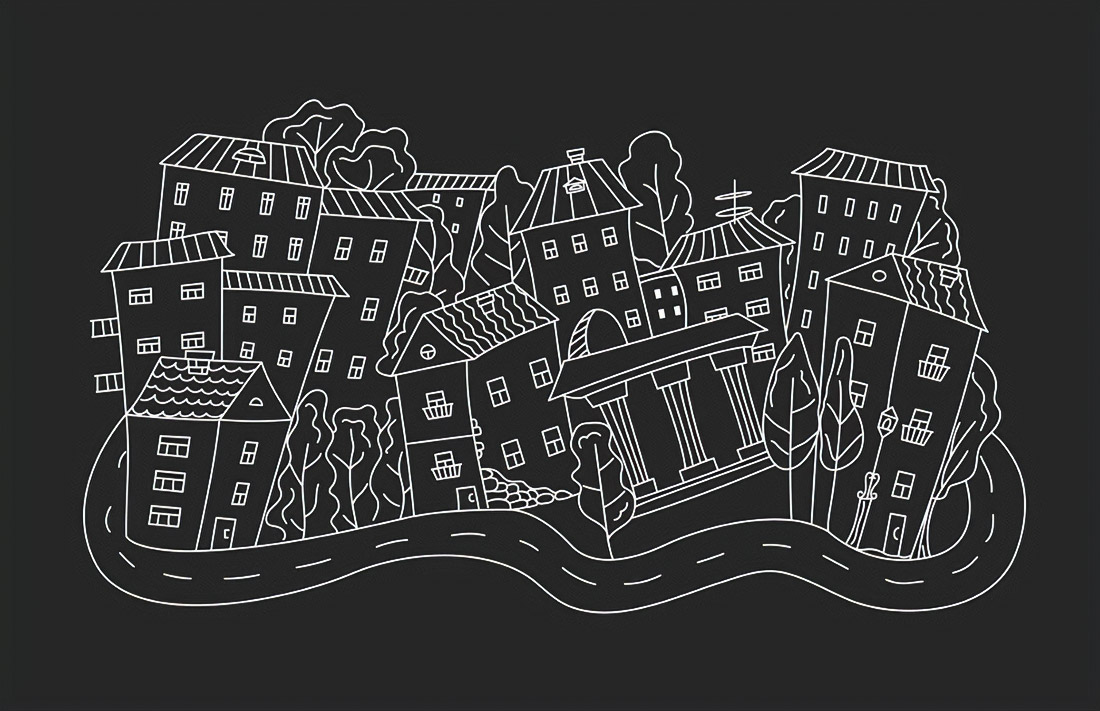
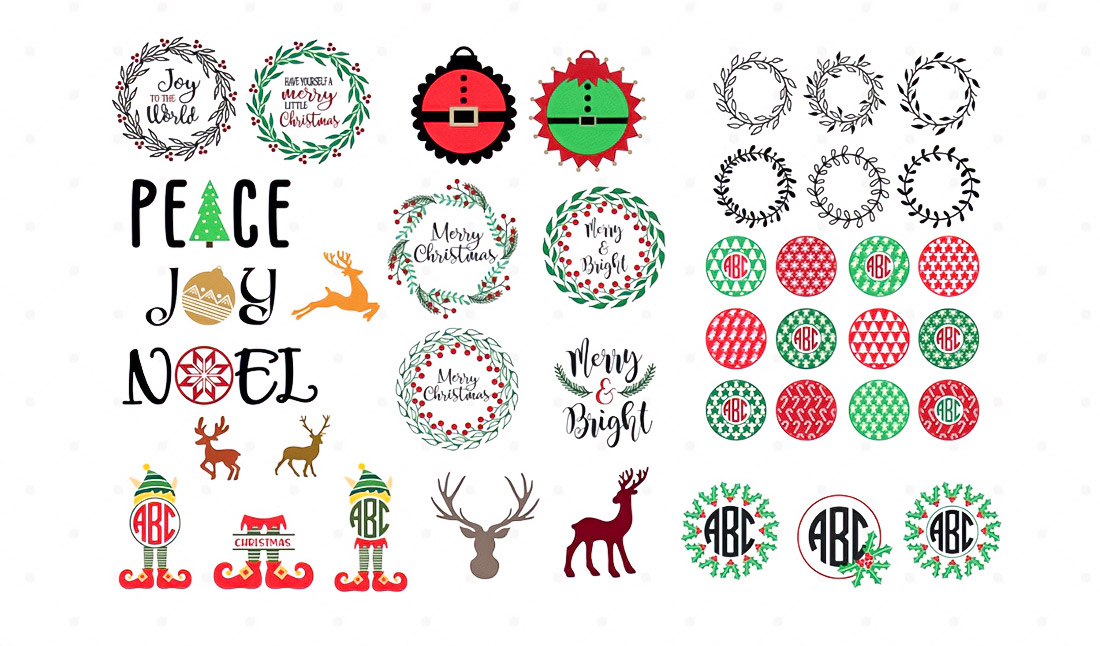
Designers also often use graphic design templates during the early stage. Templates help structure layout composition and speed up experimentation with typography, colours, and graphic visuals. Instead of starting with a blank canvas, a designer can quickly test multiple visual directions.
Niche and Audience
Without niche selection, the design often looks random. And casual prints rarely become popular.
Therefore, the target audience is determined first. Who will wear these clothes? What these people like. Which topics are close to them?
For example:
- Gaming communities and gaming culture
- Nature-inspired designs and outdoor themes
- Ironic humor design prints
- Minimalist design with pure typography
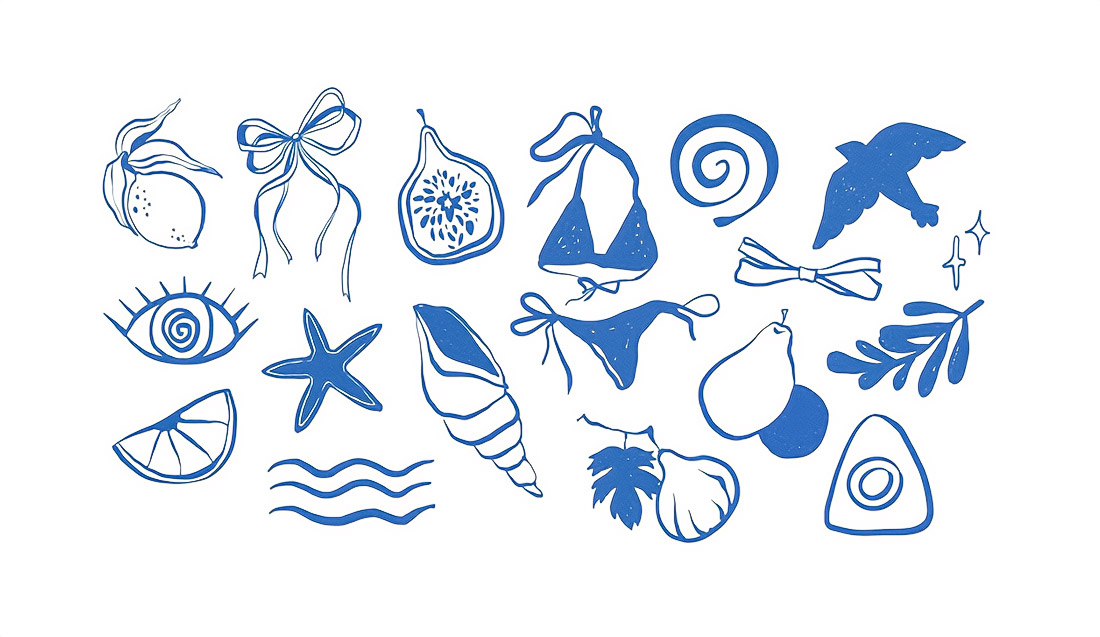
- Artistic-style illustrations
The more precisely the niche is defined, the easier it is to build a visual composition, select a colour palette and choose a graphic visual style.
Trend and Market Analysis
The next stage is market research and competitor analysis.
Fashion design does not exist in a vacuum. He always responds to design trends. Sometimes the trend becomes global. Sometimes it is limited to a small subculture.
When analysing trends, designers usually look at:
- Popular retro graphics
- Seasonal themes
- Patterns used
- Color palettes
- Typography styles
For example, trend-driven design can include vintage typography or vibrant colours inspired by the aesthetics of the 80s.
Sometimes the opposite is true. Simple minimalist design solutions are stronger than complex illustrations.
Choosing The Type of T-shirt
After the idea is defined, the more practical part of the shirt design process begins. You need to choose shirt styles. The shape of the T-shirt affects the design placement, the scale of the graphics, and the overall visual impact.
The most common models:
- Crewneck shirts – classic version
- V-neck shirts are a more fashionable form
- Tank tops – sports models
- Cropped shirts are popular in the fashion segment
- Long-sleeve shirts – used in cold weather
- Hoodie styles – warm clothing options
Each model requires a slightly different approach to layout composition.
At this stage, many designers begin testing layouts using T-shirt mockups. Mockups allow designers to preview how graphics will appear on real garments. They make it easier to evaluate design placement, visual hierarchy, and proportions before printing.
Materials and Fabric
The next important factor is the fabric composition. The material affects the print quality, durability of the print and appearance of the product.
The main types of fabrics
Cotton Fabric
Cotton is considered one of the best materials for printing. It is a soft, breathable material and interacts well with ink. Therefore, DTG printing is most often used on cotton products.
Polyester Fabric
Polyester has a high fabric durability. It is better suited for sublimation printing because the ink literally melts into the fabric.
Blended Fabrics
Blended fabrics combine the advantages of two materials. The comfort of cotton and the strength of polyester.
Printing Methods
The type of print you choose directly affects the design file requirements.
The main printing methods include three technologies.
DTG Printing
DTG printing applies the image directly to fabric fibres. This method is ideal for complex illustrations, photographs, and multicolour graphic visuals.
It supports a large number of colours. Even very detailed images.
Sublimation Printing
Sublimation printing works best on 100% polyester fabric. The ink penetrates into the fabric. Therefore, the image is bright and stable.
This way you can create all-over prints with rich, vibrant colours.
Heat Transfer Printing
Heat transfer printing methods use pressure and temperature to transfer graphics to fabric. This method is suitable for various materials and complex patterns.
Design Placement
Even a good drawing can look bad if the wrong design placement is chosen.
Main placement areas:
- Front placement
- Upper chest placement
- Back placement
- Sleeve placement
The front part is usually used for large graphic visuals. Small items can be placed on the chest or sleeve.
Sometimes designers combine several zones. This enhances visual hierarchy but increases the cost of production.
Preparing the File
One of the most technical stages is the preparation of a design file.
Permission
300 DPI resolution is used for printing. This is the standard for high-resolution images.
If the resolution is lower, blurred edges and pixelation appear.
Graphics Formats
There are two main types of graphics.
Vector Graphics
SVG format files belong to scalable graphics. They can be increased without loss of quality.
Raster Graphics
PNG format and JPEG format belong to raster images. They require the correct DPI resolution.
Color Modes
Many novice designers face one problem. The colours on the screen are different from the print. This is because printing uses CMYK printing, and screens display RGB colours.
That’s why designers often work in CMYK mode right away. This helps to preserve the colour contrast and avoid unexpected shade changes.
Color and Perception
Colour plays a huge role in sales. Research shows that 92.6% of buyers make a purchase decision based on visual perception and colour.
Therefore, the colour palette must be carefully thought out.
Some designers use:
- Bright, vibrant colors
- Calm muted colors
- Neutral shades
Competent colour harmony enhances the visual appeal of the product.
Typography
Sometimes typography becomes the main design element.
The font forms a visual hierarchy and conveys the mood.
The most common options are:
- Bold fonts
- Playful fonts
- Elegant fonts
- Mixed fonts
But there is one rule. Always check the typography readability. The text should be easy to read.
Design Composition
A good t-shirt design is built on balance. Proper visual composition includes:
- Graphic visuals
- Patterns
- Typography
- Correct layout
Sometimes one character is enough. Sometimes a complex illustration is required. But the composition must remain clear.
Digitization of Drawings
If the design is created manually, it needs to be digitised.
The artwork digitisation process includes:
- Scanning scanned illustrations
- Clearing lines
- Creating vector graphics
- Preparing digital mockups
After that, the designer can check the design placement and prepare the file for printing.
Pre-production Inspection
Design samples are created before mass production.
This allows you to check:
- Print quality
- Matching the color palette
- Precision design placement
- Readability of typography
This stage helps to avoid mistakes
Creating a high-quality t-shirt design requires both creativity and technical precision.
It is necessary to take into account the target audience, analyse design trends, and choose the right printing methods and the appropriate fabric material.
It is important to prepare vector graphics, use 300 DPI resolution and work in CMYK printing mode.
When all the elements of the shirt design process come together – the idea, visual composition, colour palette, design placement and print quality – a product appears that really attracts attention and looks professional.

I am a Junior Web Developer for Oswald Technologies. I am an accomplished coder and programmer.